
In this blog post I will show you how you can get a list of your Microsoft 365 Exchange Online recipients sorted by size. I am a documentation geek so it’s not […]

In this blog post I will show you how you can get a list of your Microsoft 365 Exchange Online recipients sorted by size. I am a documentation geek so it’s not […]
Mailbox auto-reply settings are usually created and defined by the users himself. If you want to get an overview of the auto-reply settings of your organization you have to ask every user: […]
More and more companies are moving to the cloud. Subscribing cloud services means less hardware maintenance, more comfort, and an “always-on” feeling. As an administrator, you have to get familiar with the […]

Retired employees are usually reported to the IT department, but for whatever reason this is not always the case. As an Office 365 administrator, you might want to know which user haven’t […]

More and more companies are migrating to Office 365. This applies above all to small and medium-sized enterprises. This trend can hardly be stopped. So I decided to focus more on this […]
Who are the group members? The members of a distribution group can be listed by any user in Outlook. Sometimes you don’t want that. This is what the group attribute hideDLMembership stands […]

There are two ways for creating Inbox Rules: The user itsself in Outlook or the Exchange Administrator can establish Rules based on specific conditions. In this article I describe the establishing of […]
For archiving purposes run the following command in Exchange Management Shell to export a mailbox to a PST File and to save the file in the folder pst:
Die neue E-Mail-Adressrichtlinie mit der neuen Domäne und den neuen E-Mail Adressen ist hergerichtet. Aber welche Benutzer beziehen ihre E-Mail Adresse aus der Email-Address-Policy und welche nicht? Ausnahmen gibt es fast in […]
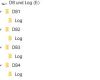
Ein neuer Exchange Server 2016 muss her. Ist die Disk Performance des neuen Server (egal ob virtuell oder dezidiert) ausreichend? Das Tool Jetstress simuliert I/O Load am Storage, also auf den Disken […]
Wenn neue Mitarbeiter eingestellt werden, dann gibt es viel zu tun. Um seitens der IT-Abteilung sicherzustellen, dass alles klappt, kann der Onboarding-Prozess in Form eines Skripts automatisiert werden.

Wer sind die Gruppenmitglieder? Die Mitglieder einer Verteiler-Gruppe können in Outlook aufgelistet werden. Manchmal will man das aber nicht. Dafür steht das Group-Attribut hideDLMembership. In diesem Artikel werden die Gruppenmitglieder “versteckt”.

Nur nicht die Übersicht verlieren: Wenn die Exchange Datenbank über das normale Maß anwächst, sollte der Systemadministrator tätig werden. Eine Auswertung sollte Aufschluss darüber geben, welche Mailboxen besonders stark zugelegt haben.

Wie viele E-Mails werden pro Tag pro Mailbox im Durchschnitt verschickt? Das Tool CalcMsgAverage.ps1 ermöglicht eine detaillierte Auswertung.

Problem: Die Exchange Umgebung wächst und wächst. Benutzer sehen Postfächer anderer Benutzer, Benutzer erstellen Weiterleitungen mithilfe des Regelassistenten in Outlook und es werden Regeln am Exchange Server erstellt. Das Ganze nimmt eine Eigendynamik […]

Awarded the Microsoft MVP for PowerShell and Microsoft 365.




 SID-500.COM